

Jainism, one of the lesser-known Dharmic religions of India, played a central role in the development of the socio-cultural, spiritual and philosophical landscape of ancient and medieval India. It reached its peak under the Mauryan Empire where, quite notably, Chandragupta Maurya during the latter part of his life is said to have handed the empire to his son Bindusara and became a Jain monk, studying under the eminent Jain ascetic Bhadrabahu in the Deccan. During its peak, Jainism spread throughout the entire subcontinent – several kings and emperors from all over and across a large period of time adopted and gave patronage to the religion and its followers, giving rise to the construction of monumental Jain bastis and complexes all across India.
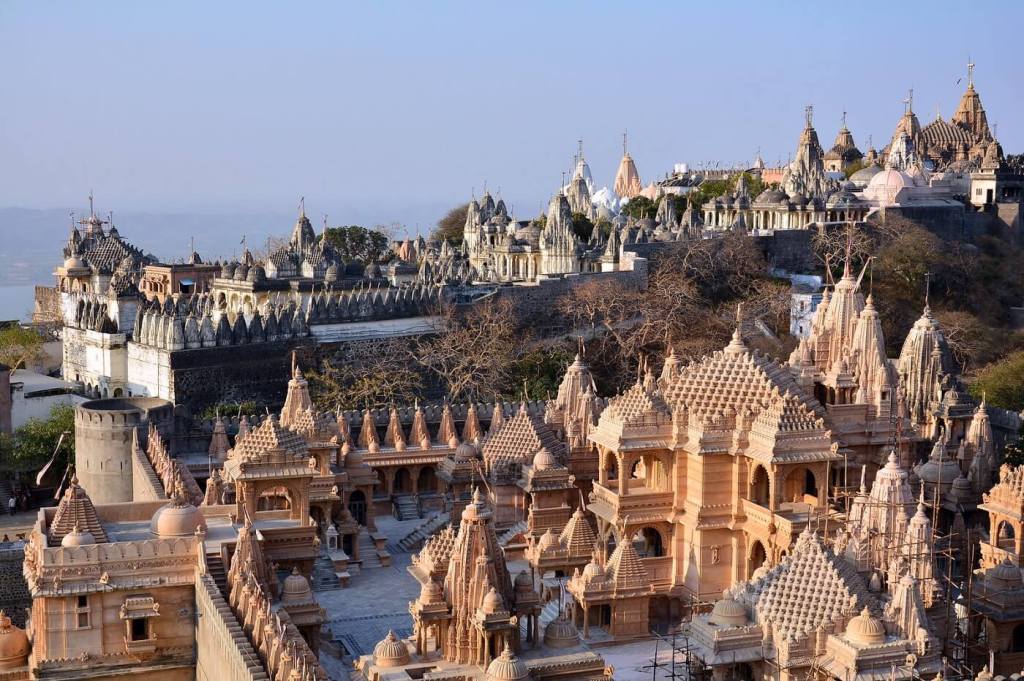
Jainism – A Brief Introduction
Diverging from the Vedic traditions of ancient India – Jainism, along with its contemporary Buddhism – belonged to the Śramaṇa movement, which preaches the tenets of strict ahimsa (non-violence against all living things), aparigraha (non-possessiveness) and anekantavada (many-sidedness). Mahavira, a contemporary of Gautama Buddha, is said to be the “founder” of Jainism; however, Jains themselves believe in the existence of 24 Tirthankaras or Ford-makers, a Tirthankara being an individual who has conquered the saṃsāra, the cycle of death and rebirth and made a path for others to follow (hence, a ford-maker). Mahavira is considered to be the 24th and last Tirthankara of the present cycle.
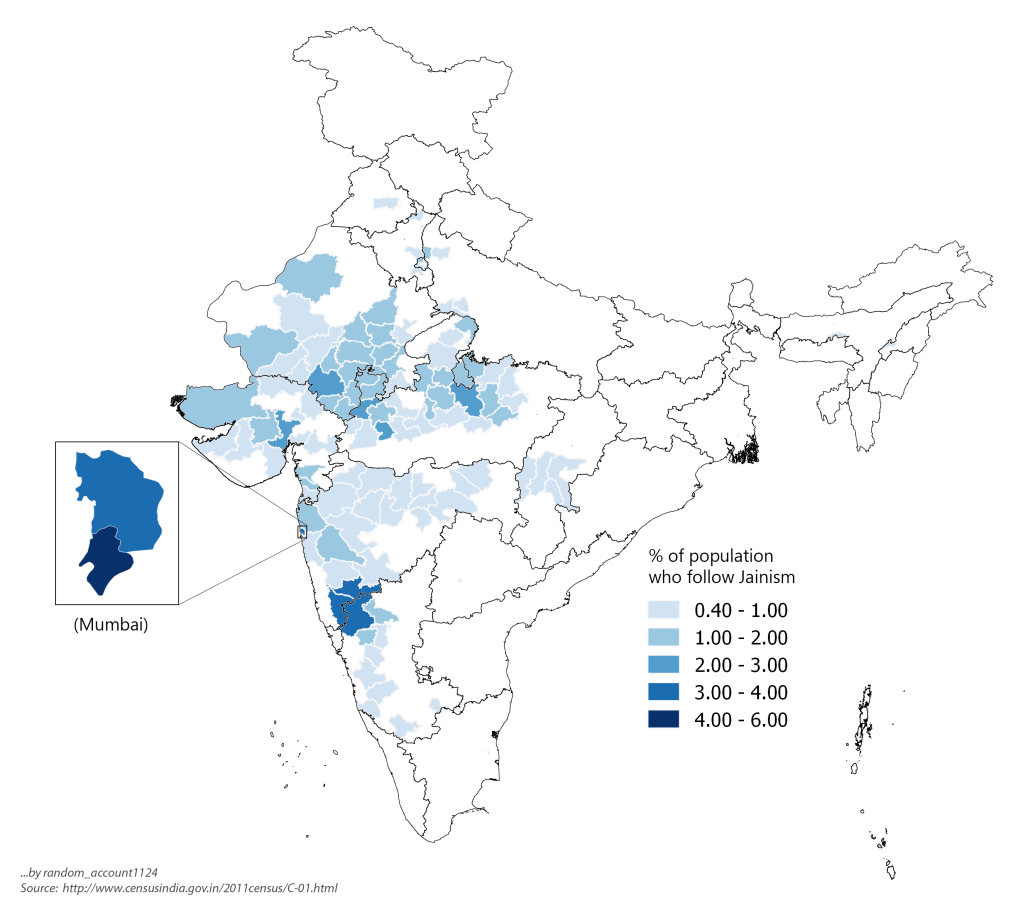
Today, there exist two sects in Jainism – the Śvētāmbaras (white-clad) and the Digambaras (sky-clad). The Śvētāmbaras are mainly predominant in Gujarat and Rajasthan and make up the majority, whereas the Digambaras are mostly found in South India. There are several distinguishing features between the beliefs of these two sects, however, a key feature is the dress code of the Jain ascetics – the Śvētāmbaras believe that aparigraha or non-possessiveness does not apply to clothing and that ascetics need not practice nudity – whereas the Digambaras believe that aparigraha does apply to clothing. There are several other philosophical and practical differences between the two sects, involving the iconography of their idols, their legends and their sacred scriptures, which a brief summary would not be able to do justice. The Jain religion and its traditions are endlessly fascinating to read up on, however in this article, I will be providing a more focussed look at the history and heritage of Jainism as it once existed in Goa.
How Jainism reached the Konkan
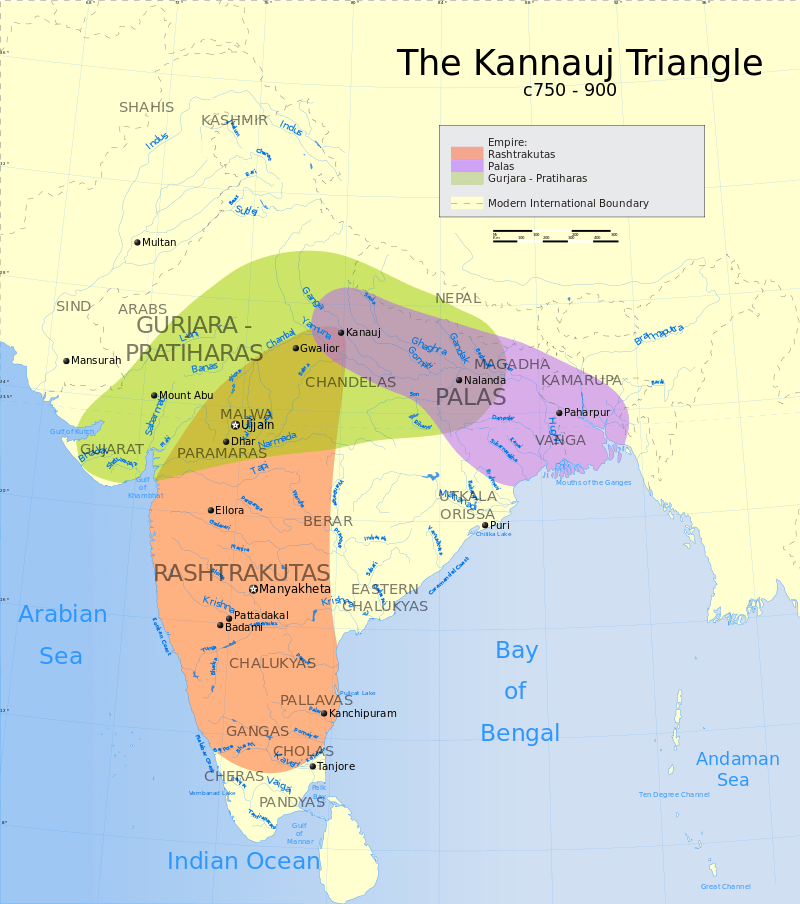
Based on epigraphical evidence, the first South Indian kingdom known to be patrons of Jainism were the Kadambas of Banavasi, which ruled most of Uttara Kannada during the 4th century AD. During this time, the Konkan littoral and consequently the region of Goa was ruled by the Bhojas and the Konkan Mauryas – both of whom were devout patrons of Buddhism, however no inscriptions have ever been found showcasing their patronage of Jainism. The earliest evidence for Jain patronage in the Konkan belt comes from the 8th century AD, during the reign of the Southern Shilaharas and later the Goa Kadambas, who were vassals of the Rashtrakutas and the Western Chalukyas respectively. In fact, the earliest evidence of Jainism in Goa is a broken sculpture of a Tirthankara discovered by Fr. Henry Heras in Chandor, most likely dating back to the Southern Shilahara rule.

Succeeding the Southern Shilaharas in the Konkan were the Goa Kadambas, who were also devout patrons of Jainism. Alongside the local Jain communities in the region, several Gujarati Jain merchant communities settled along the major trade route that connected Gopakapattana (the capital of the Kadambas) with the upper regions of the Konkan, thus giving rise to vibrant Jain communities in places such as Ponda and Bicholim, where traces of their existence can still be found to this day.
Bandivade: The Jain Basti of Neminatha
Dedicated to the 22nd Tirthankara – Neminatha, the Jain basti at Bandivade (or Bandora) was built during the time of the Kadamba dynasty, around 1100 AD. As mentioned earlier, several Gujarati merchant communities settled in this region, and the Kadambas being patrons of Jainism, provided financial assistance for the construction of the bastis via land grants. One such grant found on a stone inscription in the vicinity of the basti records that the village of Bandivade was established by the Gujarati King Śrīpāla, during the rule of the Kadamba King Guhalladeva II in Gopakapattana, stating that the Neminath Jain basti was built by Virugapa, son of Mangadanda.
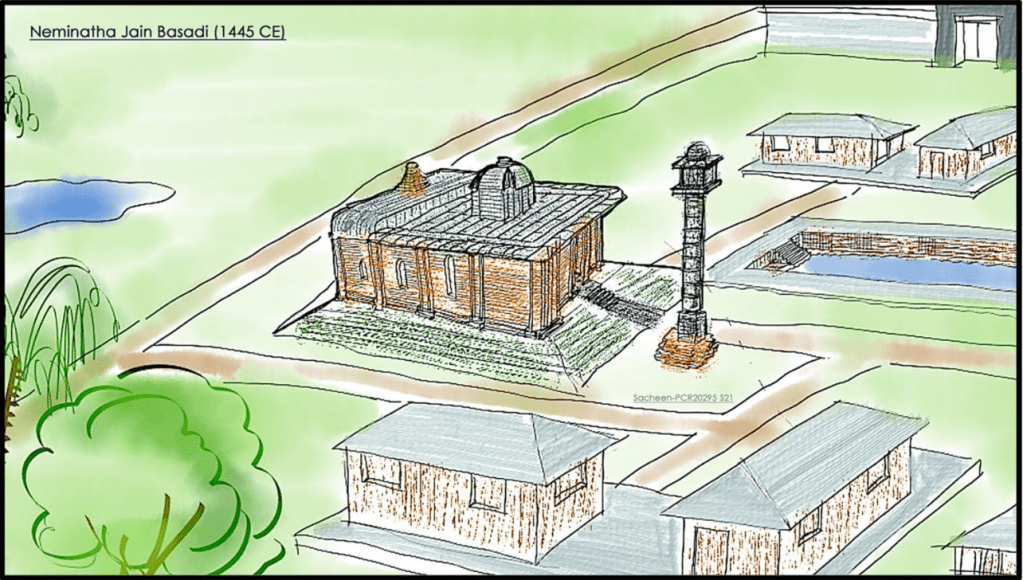
One striking feature of the Neminatha basti is that not only does it use the Kadamba-style shikhara with a stepped pyramid structure, but its architecture also hints at Vijayanagara-style barrel vaults and arches, built using laterite blocks and basalt stone. The reason for this is evident from the remaining inscriptions found in the complex, dating to the years 1432 and 1451 AD. Around the time the Vijayanagaras conquered Goa from the Bahmani Sultanate, this basti was most probably in a ruined state; since it is stated that during the rule of Deva Raya II of the Sangama Dynasty, when Goa was ruled by the mantri Triyambaka, son of Lakkapa, there was a renovation done on the insistence of a Jaina monk Simhanandacharya. Issued by Deva Raya II, the inscription states that there were gifts from the villages of Vagurumbe and Akshya which were entrusted to Muniyaina, a pupil of Simhanandacharya, for the renovation and administration of this basti.
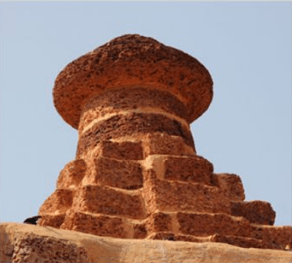
What this shows is that both during the Kadamba and the Vijayanagara reign, the Jain community in Goa was given royal patronage. If not for the renovation of the basti or the preservation of the inscriptions, we would never be aware of the existence of such a wonderful piece of medieval architecture from almost a thousand years ago, a piece of art that combines the beauty of two eras of empires centuries apart. Though the site has been abandoned and reconstructed several times now in the past few decades, it is heartening to know that plans for its stabilization, restoration and protection are finally being given a spotlight once more.
Jainkot, Narve: The Jain Basti of Suparśvanātha
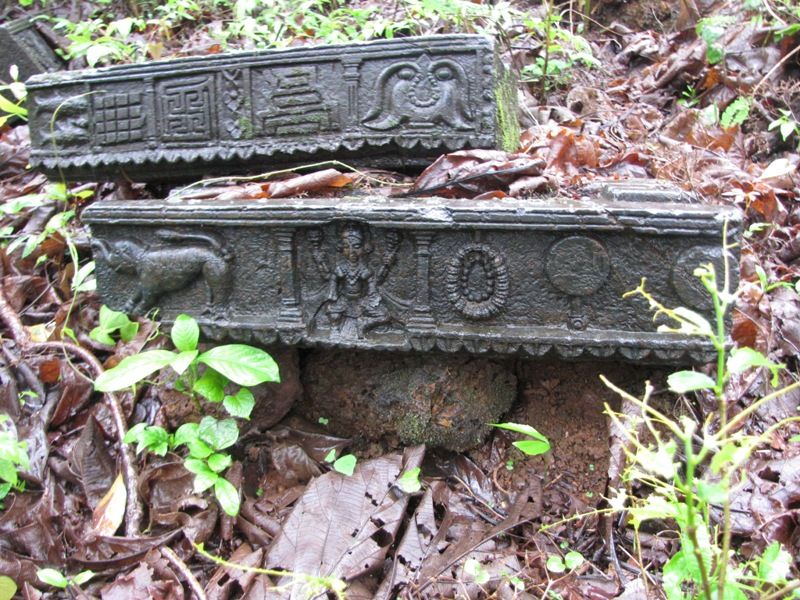
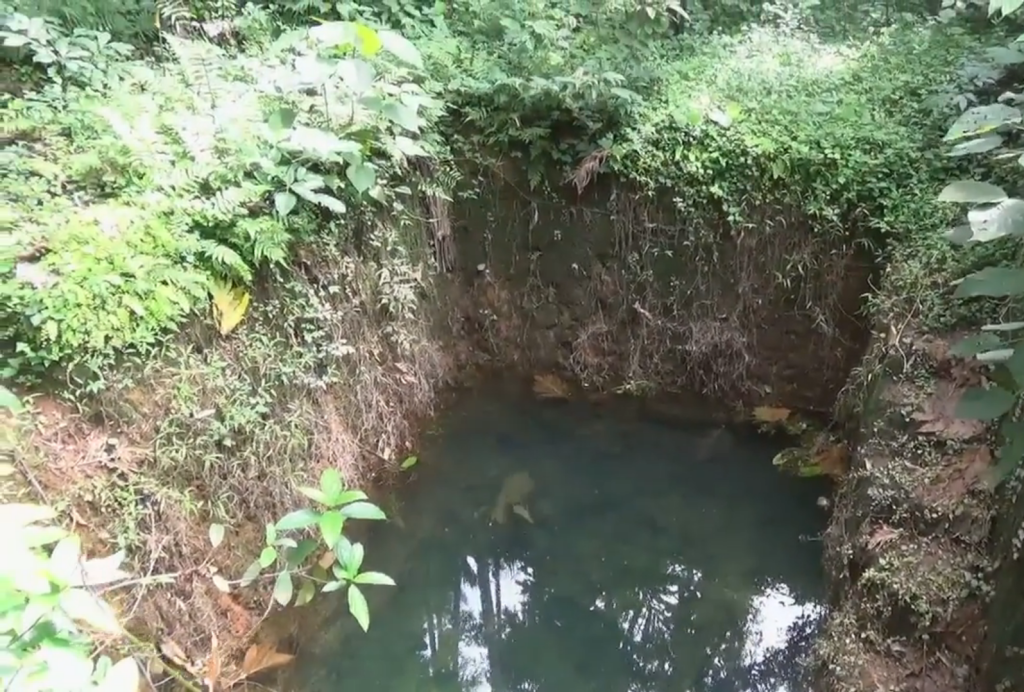
The next Jain heritage site is located in Bicholim, specifically Narve – in a region known as Jainkot. It houses the Jain basti dedicated to Suparśvanātha, the 7th Tirthankara. The complex used to consist of a large temple most likely built during the Kadamba reign along with a well or tirtha nearby. The well still exists to this day, but all that remains of the temple are pieces of the lintels, broken doorjambs, and ceiling canopies (in total amounting to around 20 or so pieces), which have survived for almost a millennium. A small stone sculpture of a headless Suparśvanātha was also discovered in the basti, the pedestal of which contains a one-line Nāgarī inscription stating the date of its creation – 1150 AD, which falls during the reign of the Kadamba ruler Permadideva or Sivachitta.
The pillars and doorjambs contain beautifully carved Jain symbols and imagery, displaying four-petal flowers, swastikas, elephants, a pair of fish, lions, along with images of Tirthankaras, Yakshas, and Yakshinis.
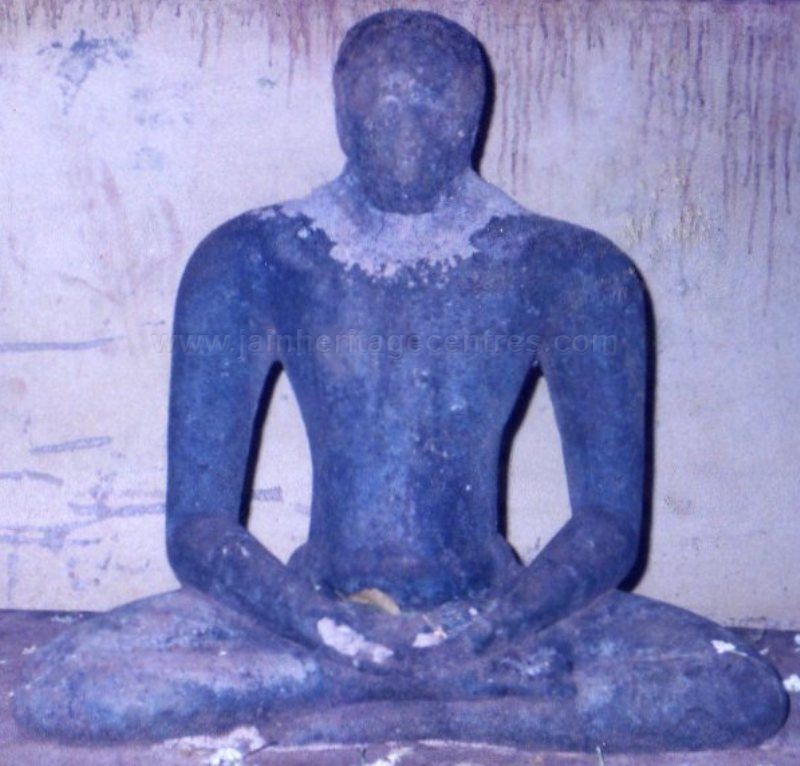
It is truly fascinating that these laterite blocks used for the construction of the temple have stood the test of time, but regrettably there are no plans for the reconstruction of this magnificent site anytime soon, as unlike the Neminatha basti of Bandivade, most of the Suparśvanātha basti lies in ruins.
Gujirwada, Kudne: The Jain Basti of Pārśvanātha
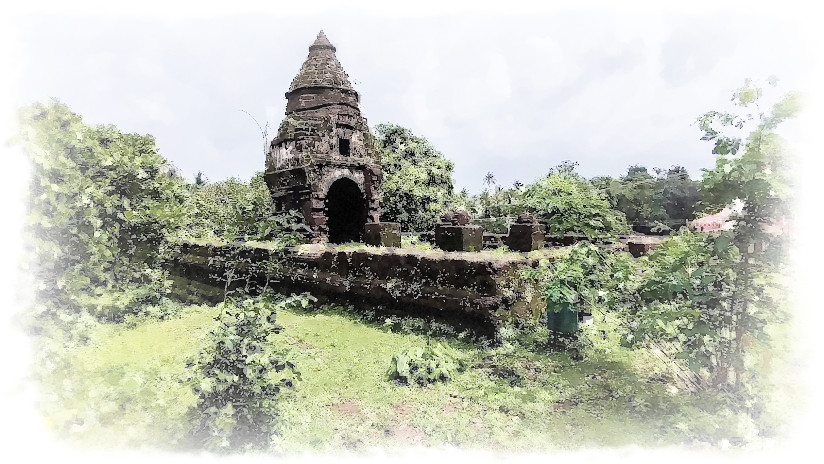
The last of the three major Jain heritage sites in Goa is the Digambar Jain temple in Gujirwada, Kudne (also in the Bicholim taluka). Dedicated to the 23rd Tirthankara Pārśvanātha, it was most likely also built during the Kadamba times, however it does not sport the iconic stepped pyramid shikhara which Kadamba architecture is famous for, instead having a towering shikhara of the Nagara-style. It also houses a Mukhamandapa (a pillared hall for public rituals) with four pillars in the center and four on each side wall, and a Garbhagriha (the sanctum sanctorum which houses the idol) next to which a broken stone head and a stone torso of a Pārśvanātha idol were found. In a nearby well, the right leg of the same stone idol was discovered.
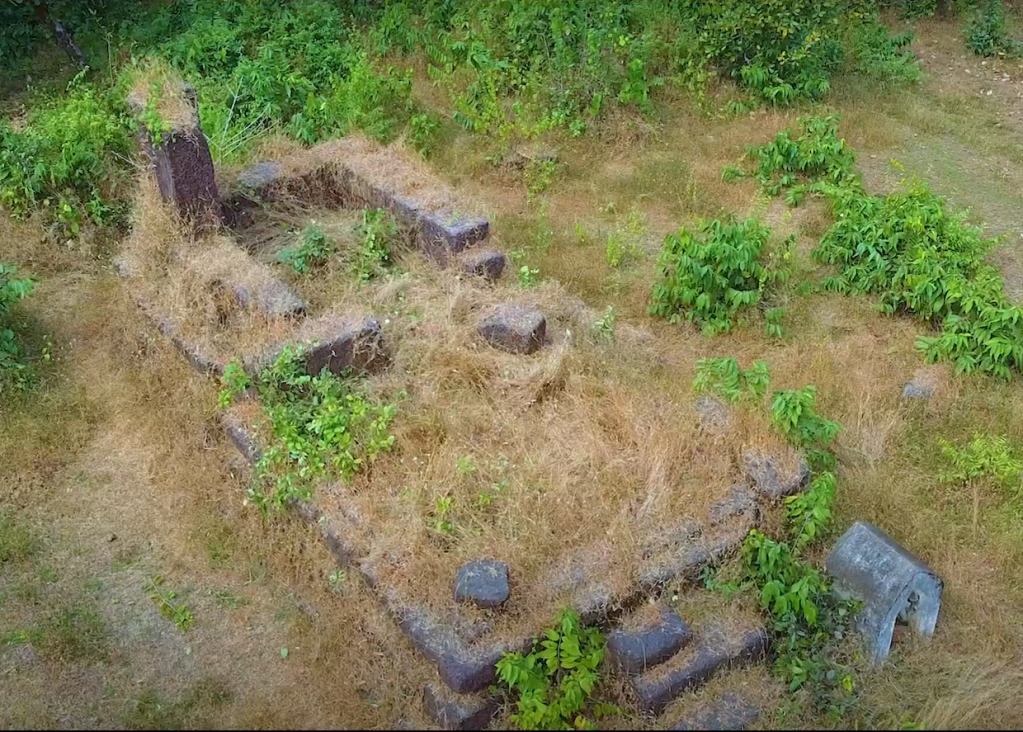
In the vicinity of the Jain temple lies a Surya or Sun Temple – which is now in ruins, and once housed an idol of Surya Dev, which has been acquired by the ASI – and Jain thadgis (memorial sites or tombs) paying respects to the Jain ascetics that lived there. Similar to the other sites, Kudne too was settled by the Gujarati Jain merchant community, being located once again along the major trade route. It would likewise have attracted a flourishing Jain community rife with both Jain monks and laymen.
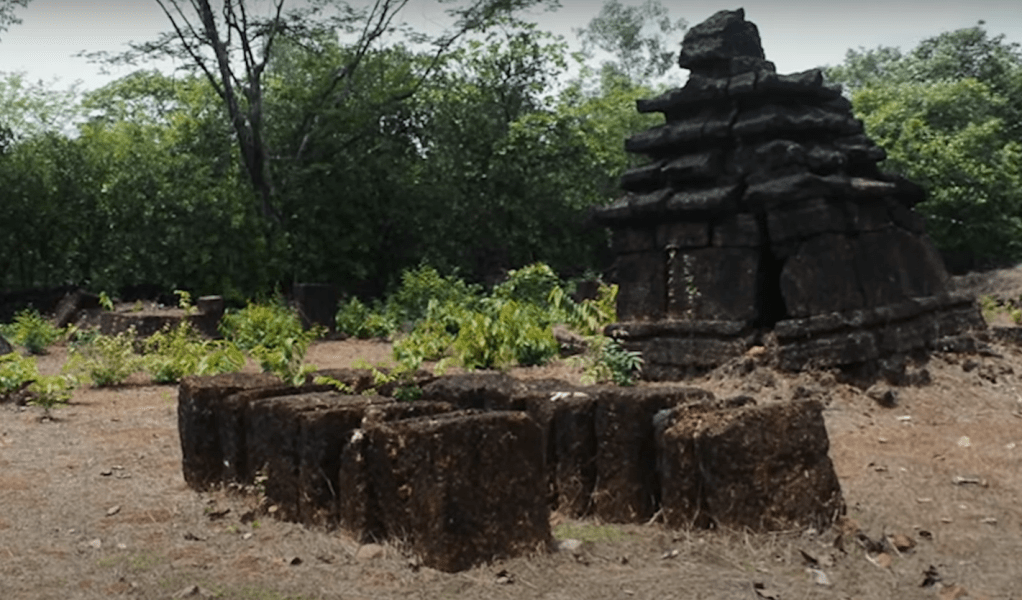
It is believed that during the year 1684 when Aurangzeb’s army razed Bicholim to the ground and destroyed the Rama temple at Pilgaon, this Pārśvanātha Jain temple was also destroyed. Thankfully, it was re-discovered and reconstructed in the last century and is now marked as a protected site, although certain areas such as the Surya Temple and the thadgis still lay in a dilapidated state.
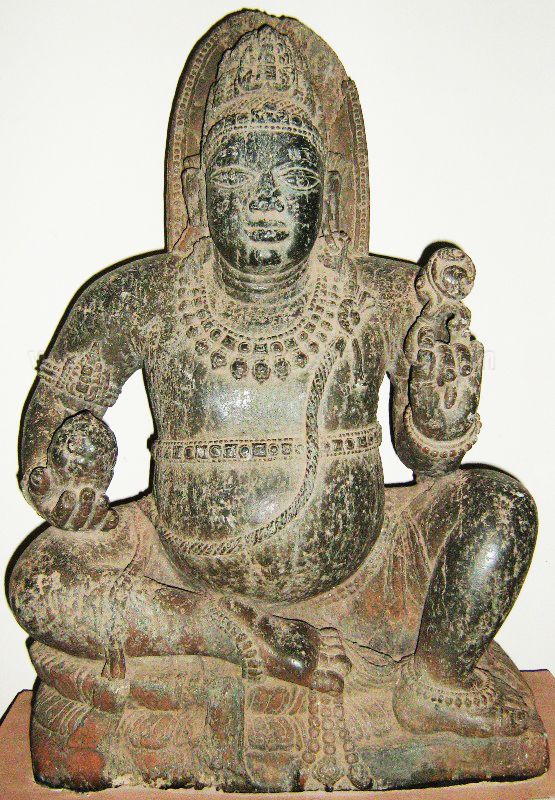
There are also some poignant statues discovered in other villages in Ponda and Bicholim, which deserve to be mentioned. As noted earlier, the village of Chandor had the first stone sculpture of a Tirthankara found, and most likely dated to the early Southern Shilahara time. However, it wasn’t the only find that was dated back to such an early period. There likely existed a thriving Jain basti in the village of Kothambi in Bicholim as well, wherein three stone sculptures were found – one of a Jain Tirthankara and the other two being of Kubera Yaksha and a Yakshini.
The concept of eternal existence central to Jain beliefs must surely apply to the history of this world; for while some structures still stand strong to this day, and others remembered through just their names, we are once again reminded of the sheer tenacity of our collective built heritage; so much of which must still be waiting to be discovered; owing in no small part to the kings and communities alike throughout the ages who helped pass it down to us today, and which we have a responsibility to preserve for our generations to come.
Sources / Further Reading:
- Architectural Conservation – Ruins of Jain Basti, Goa, Sacheen Pai Raikar
- Gazetteer of the Union Territory Goa, Daman and Diu: District Gazetteer, pg. 769-770
- A Socio-Cultural History of Goa from the Bhojas to the Vijayanagaras, pg 159-164, V. R. Mitragotri
- History of Jainism in Goa, Jain Heritage Center
- Jain Temple in the Village of Cudnem, Lynn Barreto Miranda
- Jainism in Goa – Part 1, Tirthankar Leni
- Naroa villagers discover ruins of pre-Kadamba era Jain temple, Times of India
- Mhadei Heritage Trail: The Jain Temple & Hidden Secrets of Kudne, Heritage Connect
- Kudne Jain temple-is a ‘Protected Site’ or a ‘Neglected Site’?, Navhind Times, Rohit R. Phalgaonkar
 História de Goa
Excellent and well researched articles
LikeLike